
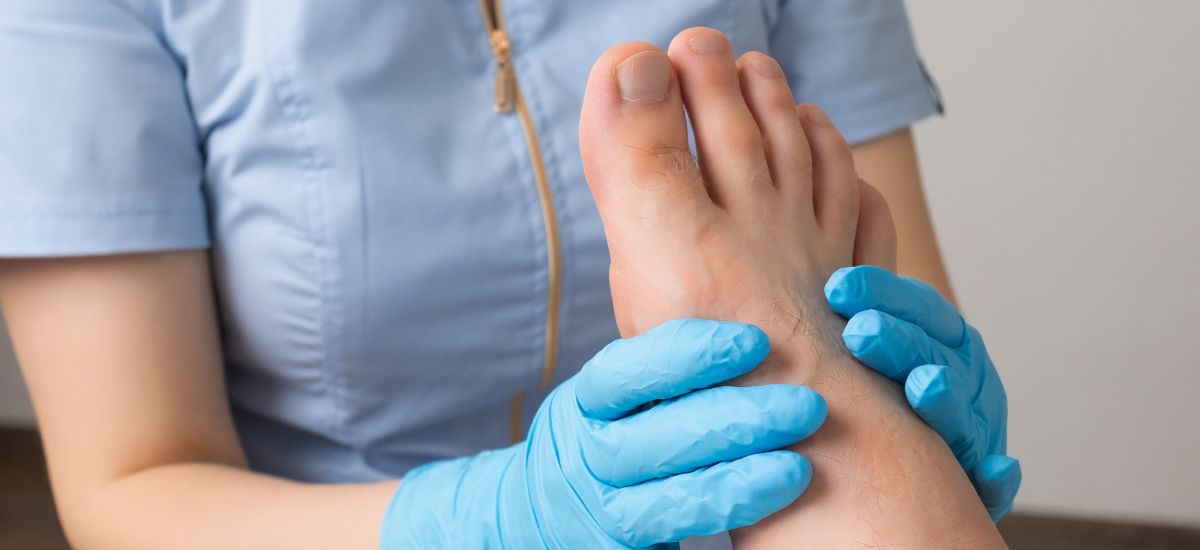
Diabetic foot care is focused on protecting the feet, spotting problems early, and reducing the risk of wounds, infections, pressure injuries, and long-term complications.
Diabetes can affect the nerves and circulation in the feet. This means a small cut, blister, corn, callus, or pressure spot may not feel painful right away, but it can still become a serious problem if it is not checked and treated properly.
At DeNova Health, diabetic foot care is designed to help patients stay ahead of foot problems through regular assessment, professional treatment, footwear guidance, and ongoing monitoring.
Why Diabetic Foot Care Matters
Foot care is not just about comfort when you have diabetes. It is part of protecting your mobility, skin health, and overall well-being.
Diabetic foot care may help with:
- Early problem detection: Small changes in the skin, nails, or pressure areas can be noticed before they become larger concerns.
- Safer nail and skin care: Thick nails, corns, calluses, and dry skin can be managed professionally to reduce injury risk.
- Pressure relief: Areas of rubbing or high pressure can be identified and supported with footwear, padding, or orthotics.
- Wound prevention: Regular care can help reduce the chance of cuts, blisters, or pressure spots becoming more serious.
- Ongoing foot monitoring: Regular checks can help track changes in sensation, circulation, skin condition, and foot structure.
What Your Appointment May Include
A diabetic foot care appointment looks at the full picture of your foot health, not just one sore spot.
Your visit may include a review of your medical history, circulation, sensation, skin condition, nail health, footwear, pressure areas, and walking comfort. The provider may also check for corns, calluses, cracks, wounds, swelling, colour changes, or areas that are at risk for rubbing.
Treatment may include professional nail care, callus or corn reduction, skin care guidance, pressure relief, footwear advice, or referral for additional support when needed.
Common Reasons to Book Diabetic Foot Care
Some patients book diabetic foot care because something hurts. Others book because they know regular monitoring is safer than waiting for a problem to appear.
You may benefit from care if:
- You have reduced feeling in your feet: Numbness, tingling, burning, or less sensation can make it harder to notice injuries.
- Nails are difficult to manage safely: Thick, curved, fungal, or hard-to-trim nails may increase the chance of cuts or pressure.
- Calluses or corns keep building up: Thickened skin can create pressure points that need professional attention.
- Your shoes are causing pressure: Rubbing, tight spots, blisters, or redness can become more serious if ignored.
- You have a history of foot wounds: Previous ulcers, infections, or slow-healing areas should be monitored regularly.
Footwear and Pressure Support
Footwear plays an important role in diabetic foot care. Shoes that are too tight, too loose, worn out, or poorly fitted can create pressure, rubbing, and skin breakdown.
DeNova Health may review your footwear and discuss options that better protect your feet. This may include supportive shoes, custom orthotics, braces, toe and foot accessories, or pressure-relieving modifications when appropriate.
The goal is to reduce stress on vulnerable areas and help your feet stay protected during daily activity.
Book a Diabetic Foot Care Appointment
If you have diabetes, regular foot care can help protect your feet and reduce the risk of problems becoming more serious.
Book an appointment at DeNova Health to review your foot health, manage nail or skin concerns, and create a care plan focused on prevention, comfort, and long-term mobility.