
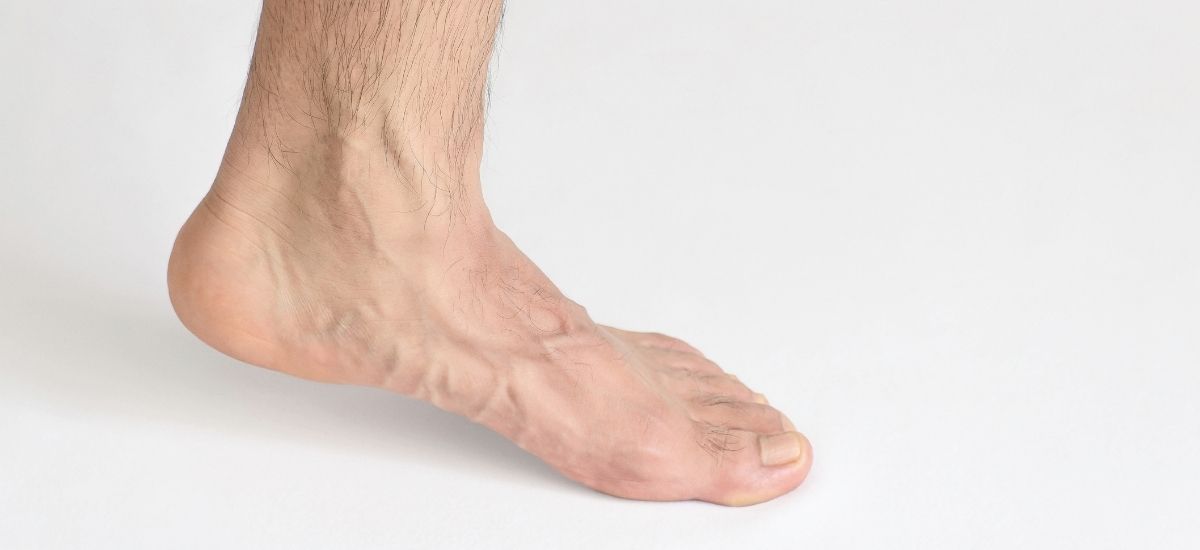
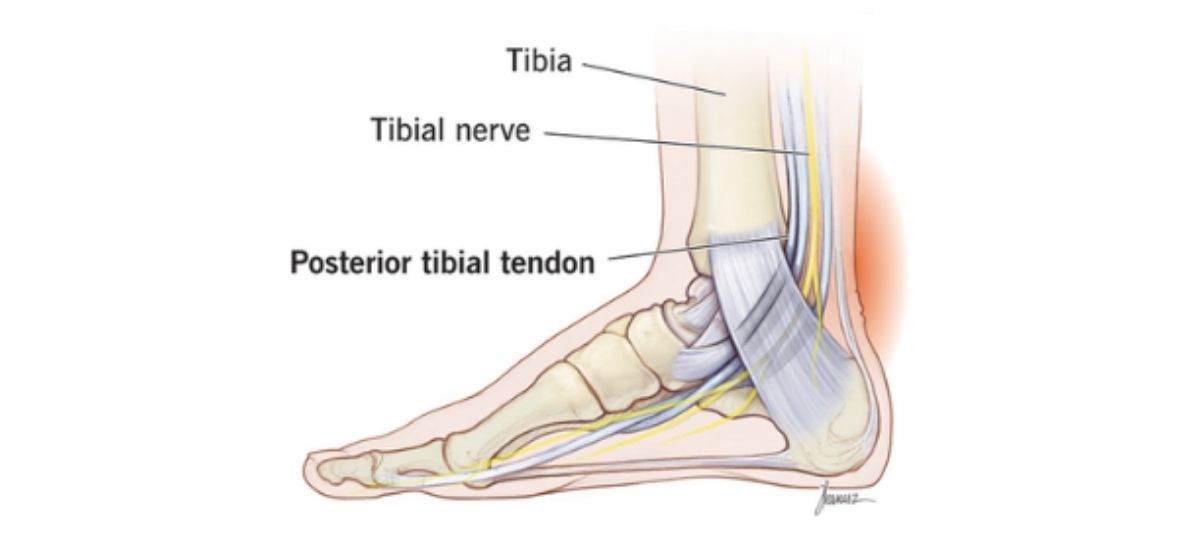
Posterior tibial tendon dysfunction, often called PTTD, is a condition that affects the tendon along the inside of the foot and ankle. This tendon plays an important role in supporting the arch and helping control how the foot moves when you stand and walk.
When the posterior tibial tendon becomes irritated or weakened, the arch may begin to flatten more than it should. This can lead to pain along the inner ankle or foot, changes in walking, and a feeling that the foot is becoming less supported.
DeNova Health helps patients be aware of what may be causing inner foot or ankle pain and recommends treatment options to support the arch, reduce tendon strain, and improve day-to-day movement.
Symptoms of Posterior Tibial Tendon Dysfunction
PTTD often starts with soreness along the inside of the ankle or arch. Over time, some people notice the foot feels flatter, weaker, or less stable during walking.
Common symptoms may include:
- Inner ankle or arch pain: Pain is felt along the course of the tendon, behind the inner ankle bone.
- Arch flattening: The foot arch may look lower, or you may notice the foot rolling inward more.
- Swelling or warmth: The area along the inside of the ankle may become swollen or tender.
- Difficulty standing or walking: Pain often increases during standing, walking, or rising onto your toes.
- Outer ankle pain: In later stages, as the foot flattens, pain may also be felt on the outside of the ankle.
Common Causes and Risk Factors
PTTD typically develops from repetitive strain, wear and tear, or structural factors that place excessive stress on the tendon over time.
Common causes and risk factors may include:
- Overuse and strain: Activities that involve repetitive loading, such as running, walking, or high-impact sports.
- Flat feet: Having flat feet or a tendency to pronate increases the load on the posterior tibial tendon.
- Prior trauma: A history of sprains or fractures to the inside of the ankle can weaken or irritate the tendon.
- Age-related changes: The tendon naturally loses some of its elasticity and strength over time.
- Other health factors: Conditions such as diabetes, high blood pressure, or obesity can increase risk.
How DeNova Health Assesses PTTD
During your visit, our team will review your symptoms, history, and activity levels. We perform a physical exam, which may include checking for tenderness, swelling, and asking you to perform a single-limb heel raise to assess tendon strength and function.
We evaluate your standing alignment and foot mechanics to determine the stage of PTTD and discuss clinical treatment options tailored to you.
Treatment Options at DeNova Health
Treatment focus is on supporting the arch, reducing load on the tendon, and helping it heal.
- Custom orthotics: Tailored arch support can help lift the foot, improve alignment, and reduce strain on the inner ankle.
- Ankle braces or gauntlets: Custom or specialized braces can stabilize the ankle joint and reduce tendon workload.
- Orthopaedic footwear: Supportive, stable shoes can help control excess foot movement and improve walking comfort.
- Physical therapy and exercises: Guided movements to strengthen the posterior tibial muscle, calf muscles, and improve balance.
- Injection therapies: Options may be discussed to manage pain and inflammation when appropriate, keeping tendon safety in mind.
Referrals for surgical assessment may be discussed for advanced stages that do not respond to conservative management.
When to Seek Care for Inner Foot or Ankle Pain
You should seek care if you notice:
- Pain along the inner ankle or arch: The inside of the foot or ankle feels sore during standing or walking.
- The arch looks flatter: Your foot appears to roll inward or flatten more than it used to.
- Swelling near the tendon: The inner ankle becomes tender, swollen, or irritated.
- Walking feels less stable: You feel weaker, more tired, or less supported on the affected foot.
- Symptoms keep returning: Pain improves with rest but comes back when you walk, stand, or increase activity.
Book a Posterior Tibial Tendon Dysfunction Assessment
If inner foot or ankle pain is making it harder to walk, stand, or feel supported on your feet, DeNova Health can help you understand what may be causing the problem.
Book an assessment at DeNova Health to review your symptoms, assess your foot and ankle mechanics, and create a plan to help support the arch, reduce tendon strain, and improve daily comfort.
Patient Resources
View or download our educational rack cards on Posterior Tibial Tendon Dysfunction (PTTD).
Still Have Questions?
Our friendly staff is here to help. Contact us today for personalized assistance.