
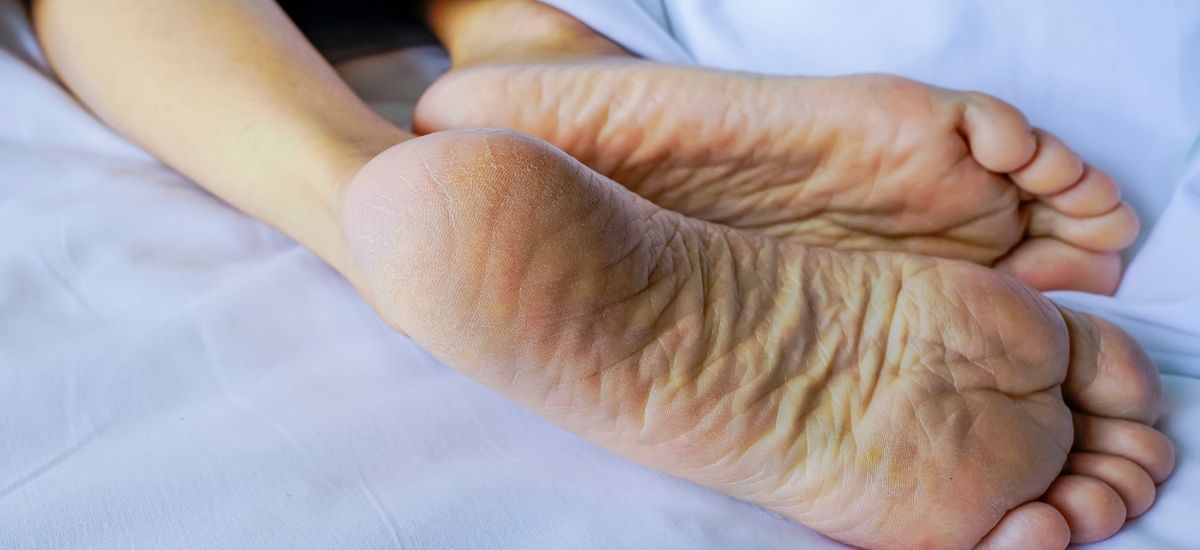
Metatarsalgia is pain in the ball of the foot. It often involves irritation or inflammation around the metatarsophalangeal joints, also called the MTP joints, which are the joints where your toes meet the long bones of the foot.
Many people describe the pain as a bruised, burning, or sharp feeling under the forefoot. It can also feel like you are walking on a small pebble, even when there is nothing in your shoe.
DeNova Health helps patients make sense of what may be causing pressure under the ball of the foot and recommends treatment options to reduce irritation, improve cushioning, and make walking more comfortable.
Symptoms of Metatarsalgia
Metatarsalgia can make standing and walking uncomfortable, especially on hard surfaces.
Common symptoms may include:
- Ball-of-foot pain: Pain is usually felt under the forefoot, near the base of the toes.
- Burning or bruised feeling: The area may feel sore, tender, hot, or irritated during activity.
- Pebble-like sensation: Some people feel like they are stepping on a small stone or lump.
- Calluses or corns: Thickened skin may develop under the toes where pressure is concentrated.
- Discomfort in footwear: Pain is often worse in heels, tight shoes, or when walking barefoot on hard floors.
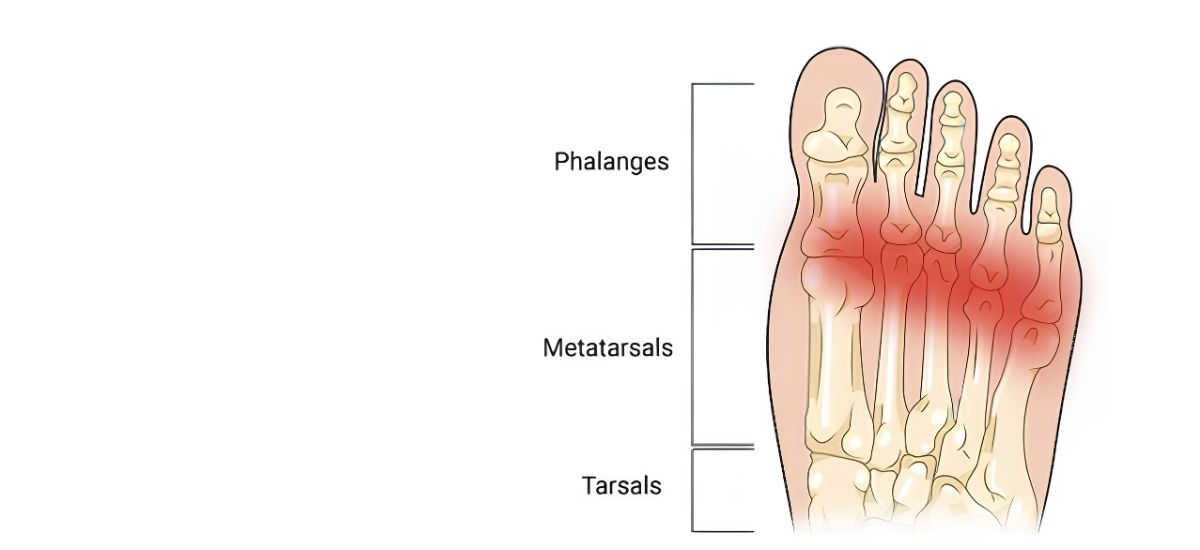
Common Causes and Risk Factors
Metatarsalgia often occurs when extra load or repetitive pressure is placed on the forefoot. This can lead to inflammation of the joints, bones, nerves, or soft tissues under the ball of the foot.
Common causes and risk factors may include:
- Footwear choices: High heels, narrow toe boxes, or thin-soled shoes can significantly increase forefoot pressure.
- High-impact activities: Running, jumping, or sports that place repetitive stress on the ball of the foot.
- Foot shape and mechanics: High arches, a tight calf muscle, or an abnormally long second metatarsal bone can increase pressure.
- Hammer toes or bunions: Other toe deformities can alter how weight is distributed across the forefoot.
- Reduced fat padding: The natural cushioning fat pad under the ball of the foot can thin or shift with age.
How DeNova Health Assesses Metatarsalgia
During your visit, our team will review your symptoms, activity levels, and footwear. We perform a physical exam to check for tenderness, joint mobility, swelling, and assess for corns or calluses.
We evaluate your standing position and walking pattern to identify areas of excessive pressure and discuss conservative treatment options that can help.
Treatment Options at DeNova Health
Treatment options focus on reducing pressure under the ball of the foot, improving joint support, and managing pain.
- Custom orthotics: Tailored support with metatarsal pads can help lift and support the bones, transferring pressure away from sore areas.
- Orthopaedic footwear: Shoes with a wide toe box and cushioned rocker sole can help reduce loading on the forefoot.
- Metatarsal pads or cushions: Gel or felt pads can help provide immediate localized protection and cushioning.
- Chiropody care: Treatment to manage and pare down painful calluses or corns that have formed under pressure points.
- Laser therapy or shockwave therapy: These modalities may be considered to help reduce localized pain and support tissue recovery.
Surgical options may be discussed when appropriate.
When to Seek Care for Ball-of-Foot Pain
You should seek care if you notice:
- Pain under the ball of the foot: The area feels sore, bruised, or tender when standing or walking.
- A burning or pebble-like feeling: You feel like there is pressure, heat, or a small object under the forefoot.
- Calluses or corns developing: Thickened skin forms under the toes or across the ball of the foot.
- Symptoms that worsen in shoes: Heeled, tight, or unsupportive footwear makes the pain more noticeable.
- Activity becomes limited: Walking, standing, exercise, or work becomes harder because of forefoot pain.
Book a Metatarsalgia Assessment
If pain in the ball of your foot is making it harder to walk, stand, work, or wear shoes comfortably, DeNova Health can help you understand what may be causing the pressure.
Book an assessment at DeNova Health to review your symptoms, assess your forefoot mechanics, and create a plan to help reduce pain, improve cushioning, and support more comfortable movement.
Patient Resources
View or download our educational rack cards on Metatarsalgia.
Still Have Questions?
Our friendly staff is here to help. Contact us today for personalized assistance.