
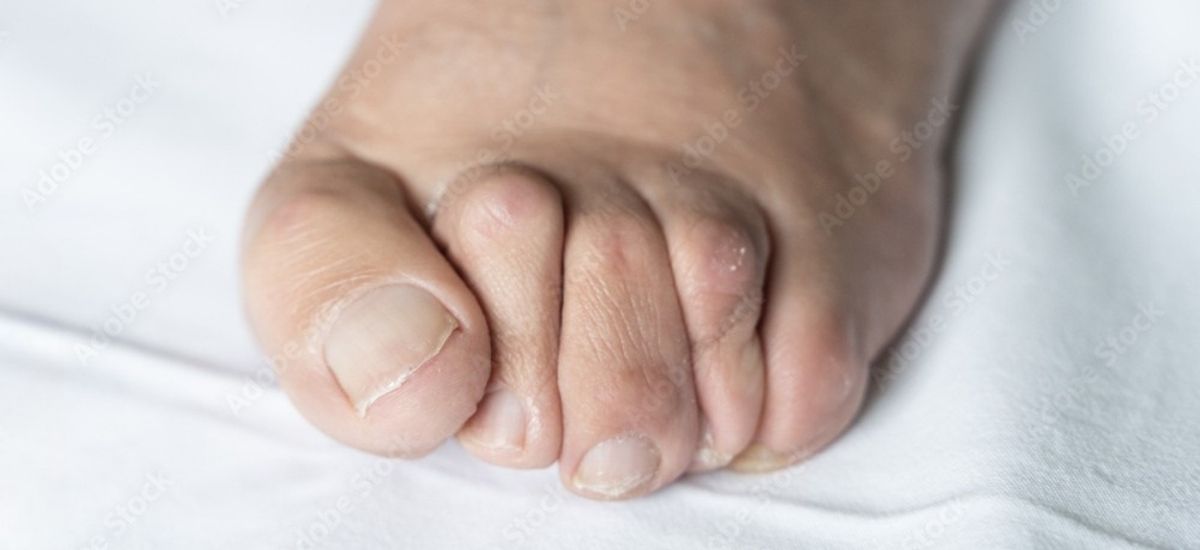
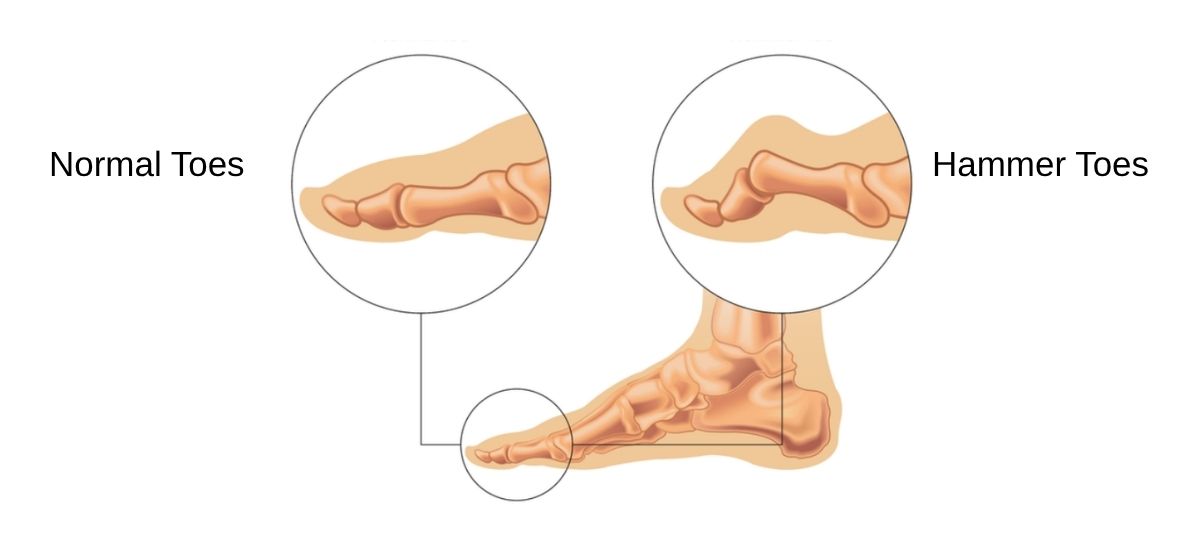
Hammer toes are changes in the position of the toe joints. They can also be described as claw toes or mallet toes, depending on which joints are bent and how the toe rests.
This condition often develops when the tendons and joints that control the toes become imbalanced. Over time, the toe can become stuck in a bent position, which may make shoes uncomfortable and create pressure on the top or tip of the toe.
DeNova Health helps patients know what may be contributing to toe deformity, footwear irritation, and forefoot pain, then recommends treatment options to improve comfort and reduce pressure.
Symptoms of Hammer Toes
Hammer toes are not always painful at first. Many people notice the toe position changing before they feel regular discomfort. Pain often develops when footwear rubs against the bent toe or when pressure builds under the ball of the foot.
Common symptoms may include:
- Bent toe joints: One or more of the smaller toes remain bent or curled.
- Rubbing or pressure: Pain is felt on the top or tip of the toe from footwear.
- Corns and calluses: Hardened areas of skin build up on the top of the toe joint or tip of the toe.
- Forefoot pain: Pain or aching under the ball of the foot, especially during walking or standing.
- Reduced flexibility: The toe joints become stiff and harder to straighten.
Common Causes and Risk Factors
Hammer toes develop when the muscles, tendons, or ligaments that hold the toe straight become imbalanced. This places uneven pressure on the joints, causing them to bend.
Common causes and risk factors may include:
- Foot structure and mechanics: Flat feet, high arches, or an abnormally long second toe can increase joint strain.
- Improper footwear: High heels, narrow shoes, or shoes that are too short can crowd and bend the toes.
- Trauma or injury: A past toe injury, such as a fracture or severe stub, can damage joints.
- Medical conditions: Arthritis, diabetes, or nerve damage can contribute to muscle imbalances.
- Genetics: Foot type and tendencies to develop muscle imbalances can be inherited.
How DeNova Health Assesses Hammer Toes
During your visit, our team will review your symptoms, activity levels, and footwear. We perform a physical exam to check toe flexibility, joint alignment, and check for any pressure points, corns, or calluses.
We assess your foot mechanics to identify the underlying muscle imbalance and discuss treatment options focused on easing pressure and improving your daily comfort.
Treatment Options at DeNova Health
Treatment options are designed to reduce pressure on the bent toes, prevent rubbing, and manage related discomfort.
- Custom orthotics: Tailored support can help improve foot position, distribute pressure evenly, and reduce strain through the ball of the foot.
- Orthopaedic footwear: Shoes with a deep toe box can help prevent footwear from rubbing on the tops of the toes.
- Toe accessories: Toe sleeves, splints, gel pads, or cushions can help protect sensitive areas and reduce friction.
- Chiropody care: Professional treatment to manage and painlessly reduce painful corns and calluses on the toes.
- Physical therapy and stretching: Exercises to help keep the toe joints flexible and strengthen supporting muscles.
Surgical options may be discussed if conservative care is not providing adequate relief.
When to Seek Care for Hammer Toes
You should seek care if you notice:
- A toe becoming bent or curled: One or more toes no longer sit flat or straight in your shoe.
- Pain from footwear: Shoes rub, press, or cause discomfort on the top, tip, or side of the toe.
- Corns or calluses forming: Thickened skin develops where the toe is under repeated pressure.
- Pain in the ball of the foot: You feel aching, burning, or pressure under the forefoot while standing or walking.
- Toe stiffness getting worse: The toe becomes harder to straighten or move comfortably.
Book a Hammer Toe Assessment
If bent toes, shoe pressure, or forefoot pain are making walking or footwear uncomfortable, DeNova Health can help you understand what is causing the problem.
Book an assessment at DeNova Health to review your symptoms, assess your toe and forefoot mechanics, and create a plan to help reduce pressure, improve comfort, and support easier movement.
Patient Resources
View or download our educational rack cards on Hammer Toes.
Still Have Questions?
Our friendly staff is here to help. Contact us today for personalized assistance.