
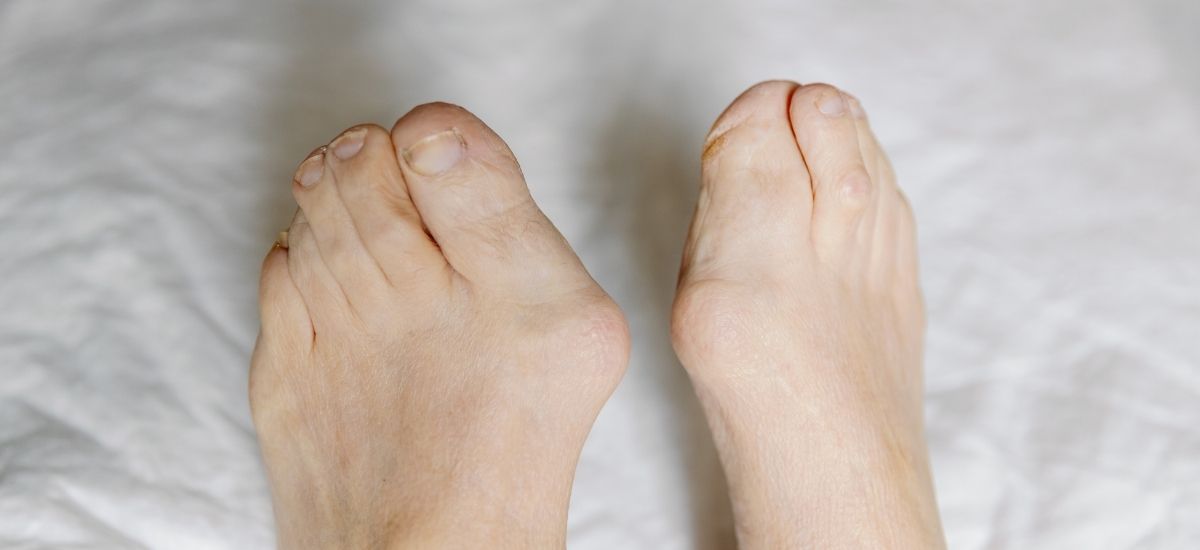
Hallux valgus, commonly called a “bunion”, is a change in the position of the big toe. The big toe gradually shifts toward the smaller toes, which can cause the joint at the base of the big toe to become more prominent. As the bunion becomes more noticeable, the joint may become sore, swollen, irritated, or difficult to fit comfortably into shoes.
DeNova Health helps patients understand what may be contributing to bunion pain and offers treatment options to reduce pressure, support the foot, and improve day-to-day comfort.
Symptoms of Hallux Valgus
Hallux valgus can develop slowly over time. Some people notice the change in toe position first, while others seek care because the bunion becomes painful in shoes or during walking.
Common symptoms may include:
- Visible bunion: A bump may form at the base of the big toe as the toe shifts toward the smaller toes.
- Big toe joint pain: The joint may feel sore, swollen, or tender during activity.
- Footwear pressure: Shoes rub, press, or cause skin irritation over the bunion.
- Stiffness or restriction: Reduced motion in the big toe joint, making walking less comfortable.
- Toe crowding: The big toe may press against or cross under the second toe.
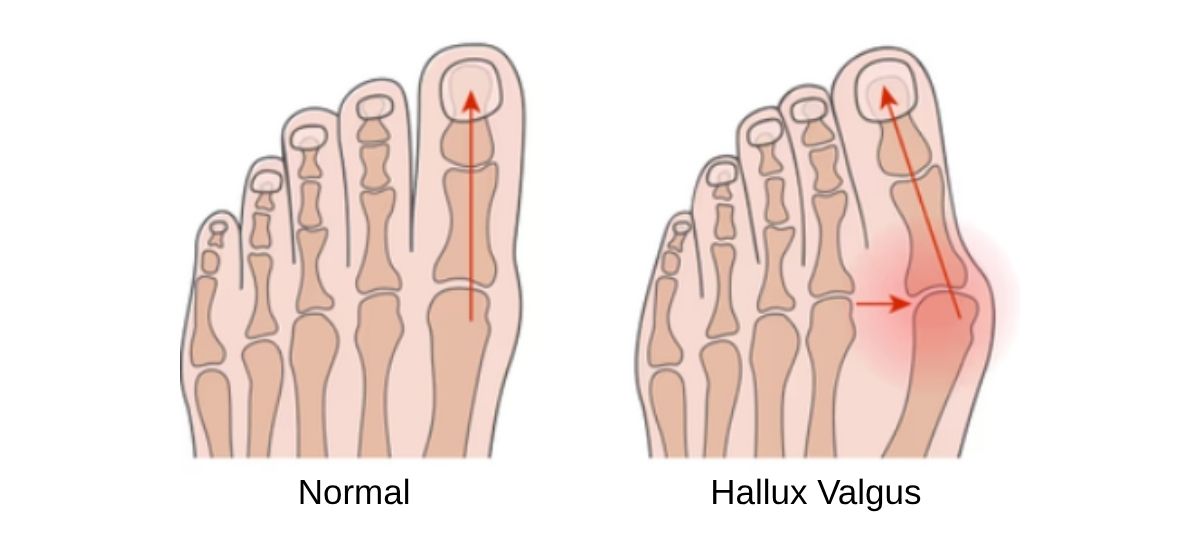
Common Causes and Risk Factors
Hallux valgus is often linked to foot structure and movement patterns, with genetics playing a significant role.
Common causes and risk factors may include:
- Foot structure: Inherited foot mechanics, such as flat feet or loose joint ligaments, can increase risk.
- Footwear choices: Tight, narrow, or high-heeled shoes can press the toes together and increase pressure.
- Repetitive stress: Activities or occupations that place extra pressure on the forefoot.
- Joint conditions: Inflammatory arthritis or muscle imbalances can affect joint alignment.
- Age-related changes: Joints can change or become more sensitive as we get older.
How DeNova Health Assesses Hallux Valgus
During your visit, our team will review your symptoms, activity levels, and footwear. We perform a physical exam to check joint alignment, range of motion, and foot mechanics while standing and walking.
This assessment helps us understand the severity of the bunion and how it is affecting your overall foot function, allowing us to discuss clinical options tailored to you.
Treatment Options at DeNova Health
While conservative treatments cannot reverse the shift in bone position, they focus on reducing pressure, managing pain, and supporting mobility.
- Custom orthotics: Tailored support can help improve foot position, distribute weight evenly, and reduce pressure on the big toe.
- Orthopaedic footwear: Shoes with a wide toe box can help reduce rubbing and pressure over the bunion.
- Bunion shields or toe spacers: Gel pads or spacers can help reduce friction and keep toes aligned.
- Physical therapy and exercise: Movements to maintain joint flexibility and strengthen supporting muscles.
- Injection therapies: Corticosteroids or other treatments may be discussed to manage acute pain or inflammation when appropriate.
Surgical options may be discussed when appropriate.
When to Seek Care for Bunion Pain
You should seek care if you notice:
- Pain around the big toe joint: The bunion becomes sore, tender, or inflamed during walking or standing.
- Difficulty wearing shoes: Footwear rubs, presses, or causes skin irritation over the bunion.
- Toe position changes: The big toe continues to shift toward the smaller toes.
- Crowding between the toes: The big toe presses into the second toe or causes discomfort in the forefoot.
- Activity becomes harder: Walking, exercise, work, or daily movement is limited because of bunion pain.
Book a Hallux Valgus Assessment
If bunion pain is making it harder to walk, wear shoes, or stay active, DeNova Health can help you understand what may be causing the discomfort.
Book an assessment at DeNova Health to review your symptoms, assess your foot mechanics, and create a plan to help reduce pressure, improve comfort, and support your daily movement.
Patient Resources
View or download our educational rack cards on Hallux Valgus (Bunions).
Still Have Questions?
Our friendly staff is here to help. Contact us today for personalized assistance.