
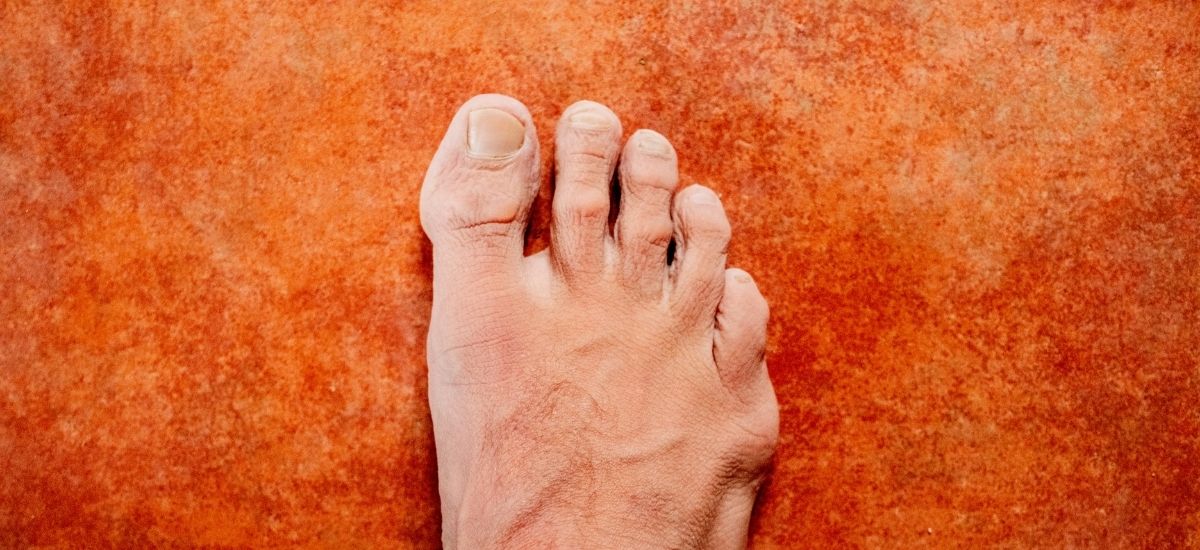
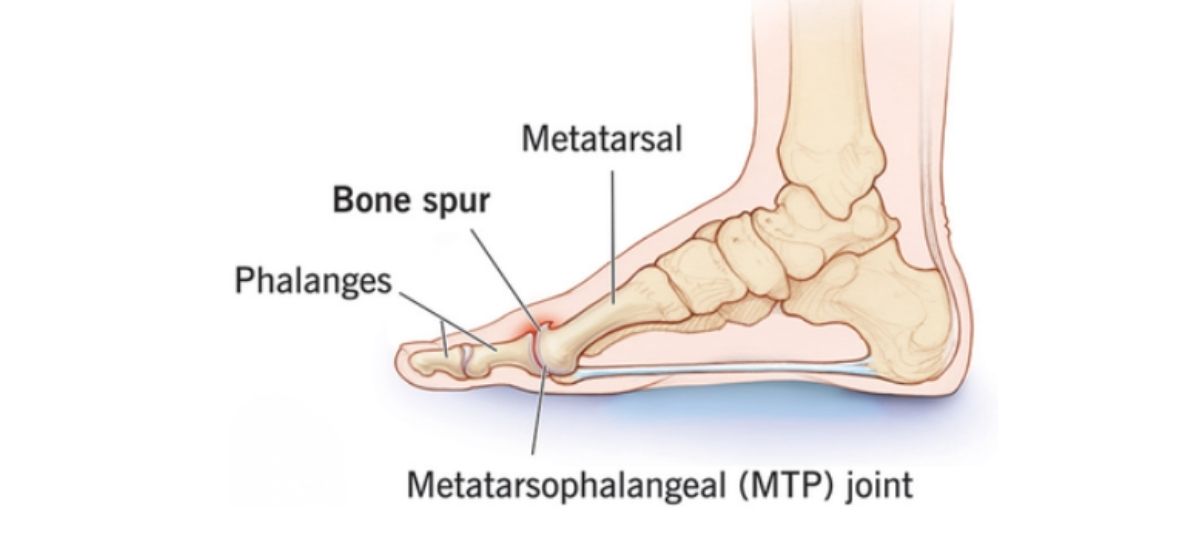
Hallux rigidus is arthritis of the big toe joint. This joint is also called the first metatarsophalangeal joint, or first MTP joint. It is the joint at the base of your big toe that helps your foot bend and push off when you walk.
When this joint becomes stiff, inflamed, or worn down, it can cause pain, reduced motion, and difficulty wearing certain shoes. Some people also develop bone spurs, which are extra bony growths that can rub against footwear and make the joint more uncomfortable.
DeNova Health helps patients grasp what may be causing their big toe joint pain and offers treatment options to reduce stress on the joint, improve comfort, and support easier movement.
Symptoms of Hallux Rigidus
Hallux rigidus can start as mild stiffness in the big toe and become more painful over time. Symptoms are often noticed during walking, standing, exercise, or when shoes press against the top or side of the joint.
Common symptoms may include:
- Big toe joint pain: Pain is usually felt at the base of the big toe, especially when walking or pushing off.
- Stiffness or reduced motion: The toe may become harder to bend upward or move comfortably.
- Footwear discomfort: Shoes may press on the joint or rub against a painful bone spur.
- Swelling management: The joint may feel tender, irritated, or enlarged.
- Changes in walking: You may shift weight to the outside of the foot to avoid bending the big toe.
Common Causes and Risk Factors
Hallux rigidus is often linked to arthritis or long-term irritation in the big toe joint. As the joint becomes more inflamed or worn down, movement can become more limited and painful.
Common causes and risk factors may include:
- Arthritis in the big toe joint: Joint wear can damage the smooth cartilage that helps the toe move comfortably.
- Bone spur formation: Extra bone may develop around the joint and limit motion.
- Foot mechanics: The way your foot moves can increase stress through the big toe joint.
- Previous injury: Trauma to the big toe can increase the risk of joint stiffness later.
- Footwear pressure: Tight or unsupportive shoes may make pain and rubbing worse.
How DeNova Health Assesses Hallux Rigidus
At your appointment, our team will review your symptoms, footwear, activity level, medical history, and how the toe pain affects walking or daily life. This helps us understand whether the problem is related to arthritis, joint stiffness, footwear pressure, or another foot concern.
Depending on your needs, care may involve chiropody, podiatry, physical therapy and exercise training, or other clinical support. The goal is to understand the source of the pain and recommend a treatment plan that supports comfort, mobility, and daily function.
Treatment Options at DeNova Health
Treatment options may include:
- Custom orthotics, shoes and braces: Custom support with a rigid extension may help limit painful big toe motion and reduce stress on the joint.
- Orthopaedic footwear: Rocker-soled footwear may help the foot roll forward with less pressure through the big toe.
- Toe and foot accessories: Padding or shoe modifications may help reduce rubbing and pressure around a painful bone spur.
- Physical therapy and exercise training: Guided support may help improve walking mechanics, strength, and comfort during daily activity.
- Injection therapies: Options such as corticosteroids, hyaluronic acid and platelet rich plasma (PRP) with ultrasound guidance may be discussed.
Surgical options may be discussed when appropriate.
When to Seek Care for Big Toe Joint Pain
You should seek care if you notice:
- Pain at the base of the big toe: The joint hurts when walking, standing, or pushing off the foot.
- Reduced toe motion: The big toe feels stiff or does not bend the way it used to.
- Footwear pressure: Shoes rub, press, or cause pain around the big toe joint.
- A bump or enlarged joint: The joint looks raised, swollen, or more prominent than before.
- Changes in how you walk: You avoid pushing through the big toe or shift weight to the outside of the foot.
Book a Hallux Rigidus Assessment
If pain or stiffness in your big toe joint is making it harder to walk, wear shoes, or stay active, DeNova Health can help you understand what may be causing the problem.
Book an assessment at DeNova Health to review your symptoms, assess your foot mechanics, and create a plan to help reduce pain, improve comfort, and support your daily movement.
Patient Resources
View or download our educational rack cards on Hallux Rigidus.
Still Have Questions?
Our friendly staff is here to help. Contact us today for personalized assistance.