
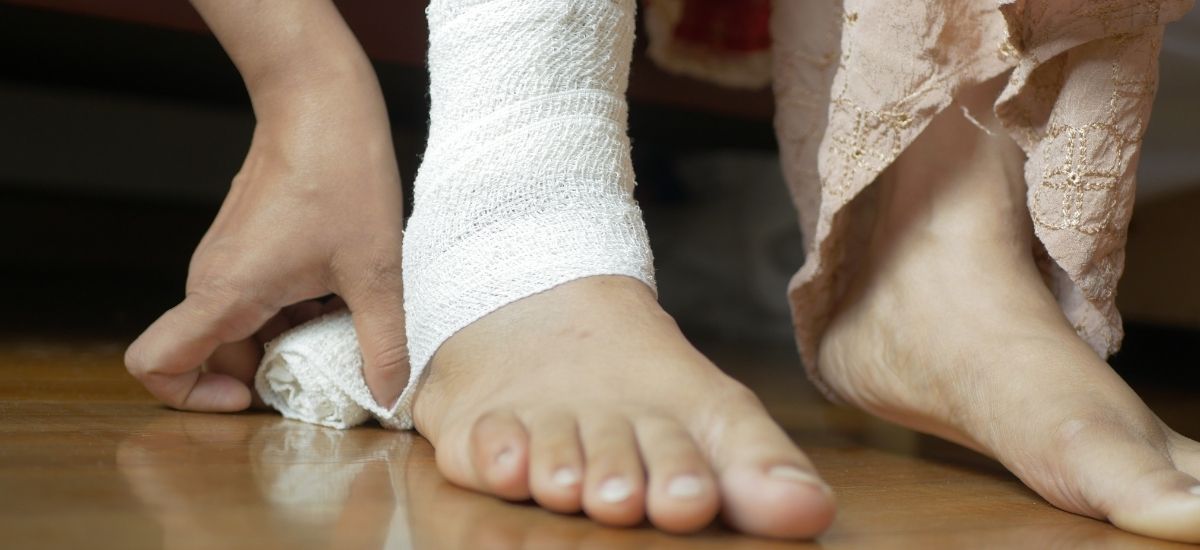
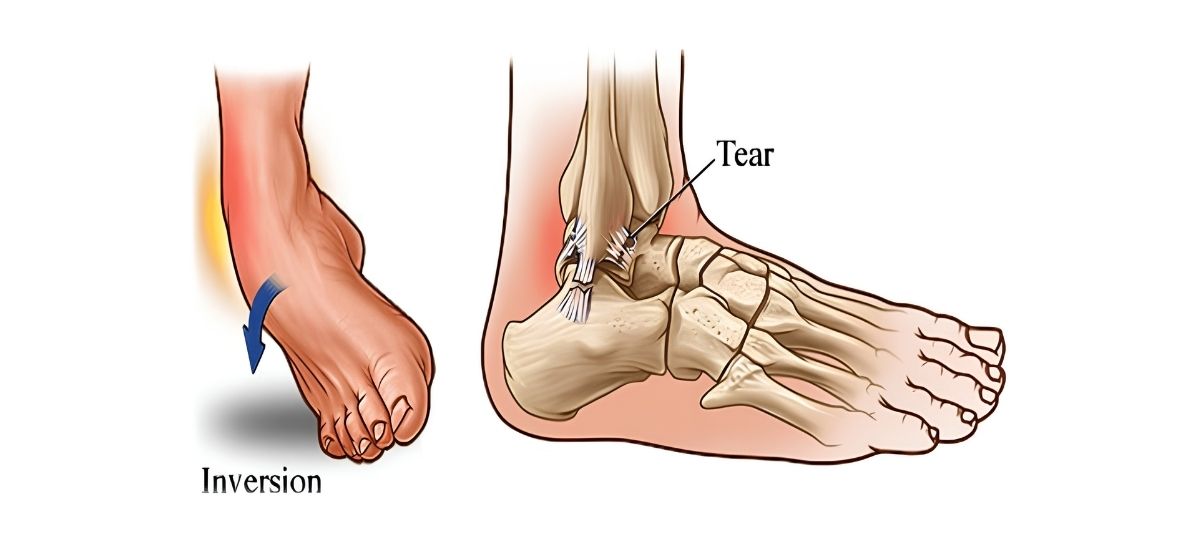
An ankle inversion injury, often called an ankle sprain, happens when the foot rolls inward beyond its normal range of motion. This can stretch or damage the structures on the outside of the ankle, including ligaments, tendons, muscles, nerves, and joints.
DeNova Health helps patients understand the severity of their ankle injury and offers treatment options to support healing, improve stability, and reduce the risk of the ankle rolling again.
Symptoms of an Ankle Inversion Injury
An ankle inversion injury can range from a mild sprain to a more serious injury involving the ligaments or surrounding soft tissue. Symptoms often appear quickly after the ankle rolls inward.
Common symptoms may include:
- Outer ankle pain: Pain is often felt along the outside of the ankle after the foot rolls inward.
- Swelling or bruising: The ankle may become swollen, tender, or discoloured after the injury.
- Tenderness: The area along the outer ankle joint or ligaments is painful when touched.
- Difficulty walking: Standing, walking, or putting pressure on the foot may be painful.
- Instability: The ankle may feel weak, wobbly, or unstable when trying to walk.
Common Causes and Risk Factors
An ankle inversion injury occurs when the foot is forced inward while weight is placed on it. This can stretch or tear the lateral ligaments, which help hold the ankle bones in place.
Common causes and risk factors may include:
- Awkward steps: Stepping on an uneven surface, hole, or curb can cause the foot to roll.
- Sports or activities: Running, jumping, or sports that require quick changes of direction can increase the risk of injury.
- Past ankle injuries: A previous ankle sprain can leave the ligaments stretched, making future injuries more likely.
- Improper footwear: Shoes that lack support or stability can make rolling the ankle more common.
- Anatomy or mechanics: The way your foot and ankle move can affect joint stability and increase stress.
How DeNova Health Assesses Ankle Inversion Injuries
During your visit, our team will review your symptoms, when and how the injury happened, and past injuries. We perform a physical exam to check for swelling, tenderness, range of motion, and joint stability.
Depending on your needs, care may involve chiropody, podiatry, physical therapy, orthopaedic support, or other clinical services. The goal is to understand the extent of the injury and recommend a treatment plan focused on comfort, support, and long-term recovery.
Treatment Options at DeNova Health
Treatment options are designed to reduce pain, support healing, improve stability, and help you return to regular activity safely.
- Ankle braces: A supportive brace can help stabilize the ankle joint, limit painful movement, and protect the ligaments while they heal.
- Custom orthotics: Tailored support can help improve foot position, reduce joint strain, and support better alignment.
- Orthopaedic footwear: Supportive shoes can help improve stability and reduce pressure on the ankle joint during daily movement.
- Physical therapy and exercises: Guided rehabilitation can help restore strength, range of motion, balance, and stability.
- Injection therapies: Options such as corticosteroids, prolotherapy, hyaluronic acid, or other biologics may be discussed to manage pain or support healing when appropriate.
Surgical referral may be discussed if there is severe ligament damage or ongoing instability that does not improve with conservative care.
When to Seek Care for Ankle Inversion Injuries
You should seek care if you notice:
- Repeated ankle rolling: You sprain or roll your ankle frequently, even during regular activities.
- Trouble bearing weight: Walking, standing, or putting pressure through the foot is painful or difficult.
- Severe symptoms: Intense pain, major swelling, visible deformity, or numbness.
- Persistent issues: Pain, stiffness, or swelling that does not improve after a few days or keeps coming back.
If you have severe pain, major swelling, visible deformity, numbness, or you cannot walk on the foot, you should seek urgent medical attention to rule out a fracture or more serious injury.
Book an Ankle Inversion Injury Assessment
If you rolled your ankle and are dealing with pain, swelling, or instability, DeNova Health can help you understand what may be injured and what treatment options may be appropriate.
Book an assessment at DeNova Health to review your symptoms, assess your foot and ankle mechanics, and create a plan to help reduce pain, improve stability, and support your return to daily activity.
Patient Resources
View or download our educational rack cards on Ankle Inversion Injuries.
Still Have Questions?
Our friendly staff is here to help. Contact us today for personalized assistance.