
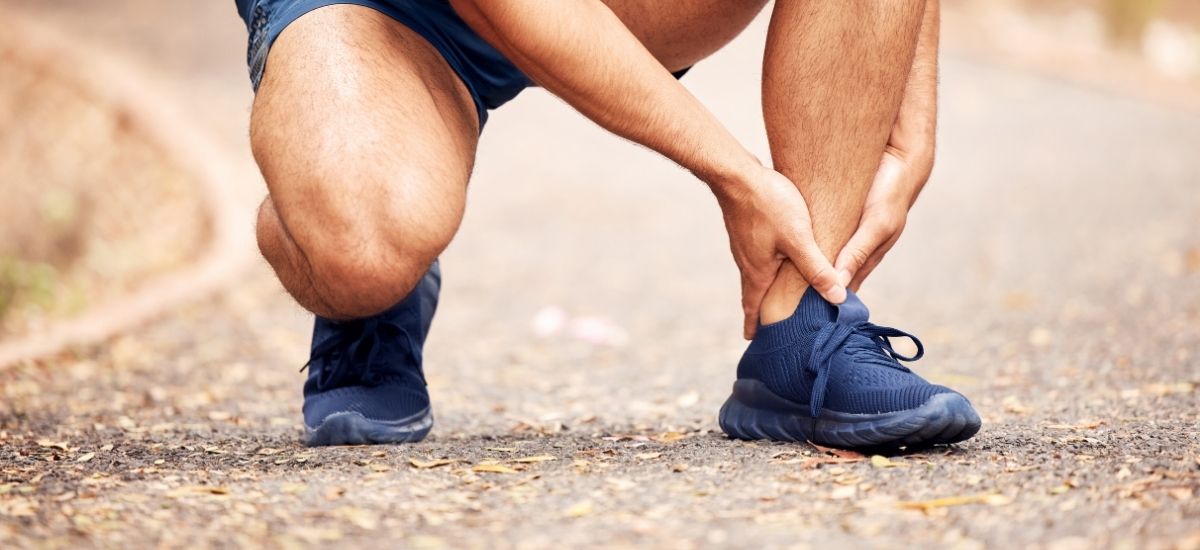
Achilles tendonitis is a common cause of pain at the back of the heel. It happens when the Achilles tendon, which connects your calf muscles to your heel bone, becomes irritated, inflamed, or strained. You may feel pain, swelling, tenderness, or stiffness near the back of your heel or lower calf.
DeNova Health helps patients get clarity on their Achilles tendon pain and offers treatment options designed to reduce strain, ease discomfort, and support recovery.
Symptoms of Achilles Tendonitis
Achilles tendonitis can start as mild stiffness and become more painful over time. Some people notice discomfort only during activity, while others feel pain during regular walking, stairs, or when wearing certain shoes.
Common symptoms may include:
- Back-of-heel pain: Pain or tenderness where the Achilles tendon connects near the heel.
- Morning stiffness: Tightness or discomfort that is often worse when you first get moving.
- Swelling or thickening: A swollen, tender, or raised area may develop along the tendon.
- Activity-related discomfort: Pain may increase with walking, running, stairs, or prolonged standing.
- Footwear irritation: Shoes may rub or press against the sore area at the back of the heel.
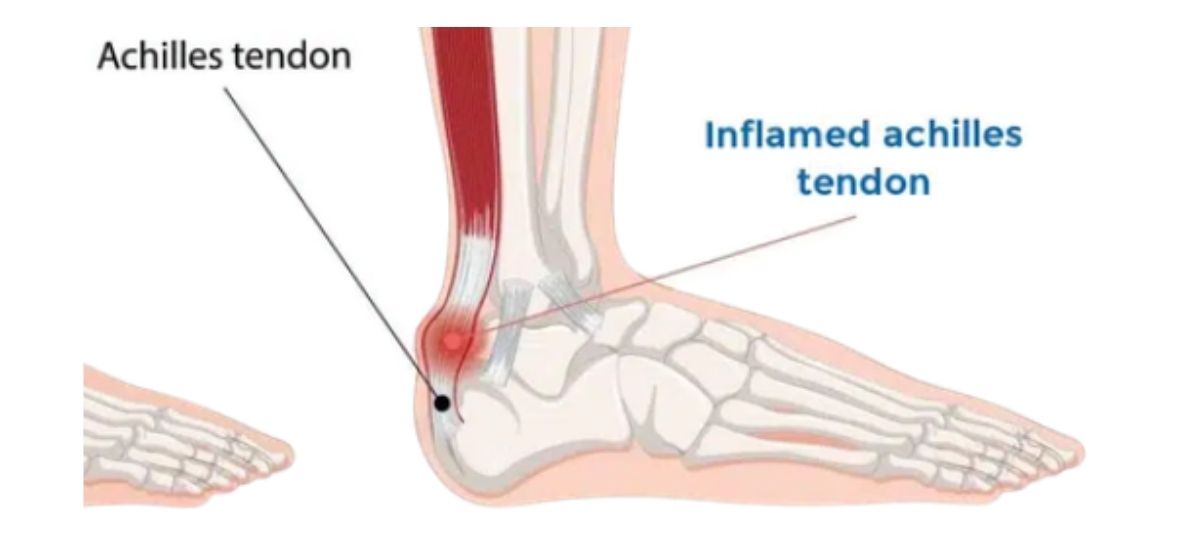
Common Causes and Risk Factors
Achilles tendonitis often develops when the tendon is placed under repeated stress. This can happen because of activity, footwear, tight muscles, foot mechanics, or age-related changes in the tendon.
Common causes and risk factors may include:
- Repetitive strain: Walking, running, sports, or stairs can place repeated stress on the Achilles tendon.
- Tight calf muscles: Limited calf flexibility can increase pulling through the tendon.
- Foot mechanics: The way your foot moves can add pressure to the heel and Achilles area.
- Footwear pressure: Shoes that rub or lack support may make symptoms worse.
- Age or tendon changes: Tendons can become more sensitive over time and may develop degenerative changes.
How DeNova Health Assesses Achilles Tendonitis
At your appointment, our team will review your symptoms, medical history, activity level, footwear, and when the pain started. This helps us understand whether the issue may be related to tendon irritation, overuse, foot mechanics, footwear pressure, or another contributing factor.
Depending on your needs, care may involve chiropody, podiatry, physical therapy and exercise training, or other clinical support. The goal is to understand the source of the strain and recommend a treatment plan that fits your symptoms, mobility, and daily activities.
Treatment Options at DeNova Health
Treatment options may include
- Custom orthotics, shoes and braces: Custom support can help improve foot position and reduce strain through the heel and Achilles tendon.
- Orthopaedic footwear: Supportive footwear may help reduce rubbing, improve stability, and make walking more comfortable.
- Physical therapy and exercise training: Guided stretching and strengthening can help improve calf flexibility, tendon strength, and movement tolerance.
- Shockwave therapy: This may be considered for ongoing tendon pain that has not improved with basic support or exercise-based care.
- Injection therapies: Options such as corticosteroids, platelet rich plasma (PRP), prolotherapy and/or biologic compatible hyaluronic acid may be discussed.
Surgical options may be discussed when appropriate.
When to Seek Care for Achilles Tendon Pain
You should seek care if you notice:
- Pain that keeps returning: Heel pain lasts more than a few days or comes back after activity.
- Morning stiffness that does not settle: The tendon feels tight, sore, or difficult to move after rest.
- Swelling or thickening near the heel: The back of the heel becomes tender, raised, or sensitive to touch.
- Pain that limits daily activity: Walking, stairs, work, exercise, or footwear become harder to manage.
- Weakness or trouble pushing off: You notice limping, reduced strength, or difficulty moving normally through the foot and ankle.
If you have sudden severe pain, a popping feeling, major weakness, or trouble walking, you should seek urgent medical attention, as these may be signs of a more serious tendon injury.
Patient Resources
View or download our educational rack cards on Achilles Tendonitis.
Still Have Questions?
Our friendly staff is here to help. Contact us today for personalized assistance.